Product details
Here are some key features and advantages of blister packaging for agricultural products:1. Protection
Moisture and Water Resistance: Blister packaging effectively blocks external moisture, preventing agricultural products from becoming damp and moldy during storage and transportation. This is especially suitable for perishable agricultural products such as vegetables and fruits.
Compression Protection: Due to the vacuum forming process, blister packaging tightly fits the product, providing effective compression protection and preventing damage from squeezing or collisions during transportation.
Extended Shelf Life: Appropriate ventilation holes allow for air permeability to fruits and vegetables, helping to regulate internal temperature and humidity and prolonging freshness. For some agricultural products, antibacterial materials can also be used to slow down spoilage.
2. Display Advantage
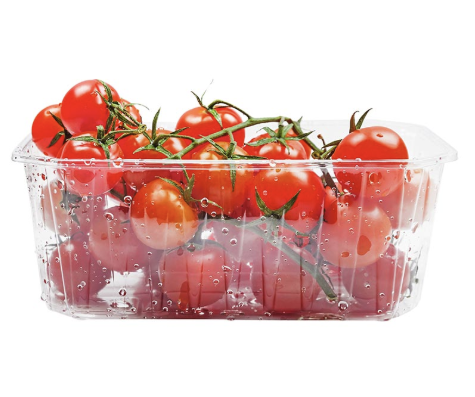
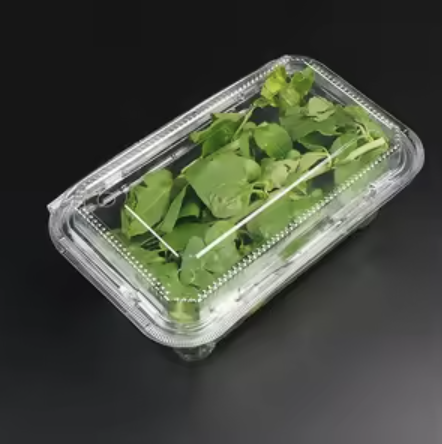
Transparent Display: The transparency of blister packaging makes the product clearly visible, enhancing consumer purchasing desire. Agricultural products such as fruits, vegetables, and flowers showcase their vibrant colors and high-quality appearance through transparent packaging, increasing visual appeal.
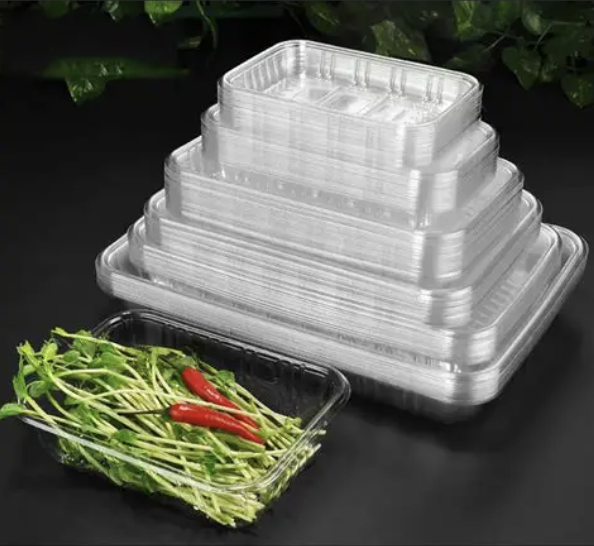
Customized Design: Blister packaging can be customized according to the product's shape, size, and requirements, ensuring a perfect fit. This not only helps protect the product but also enhances its aesthetics.
Brand Promotion: Blister packaging can be customized with the agricultural product brand's logo, labels, and nutritional information, improving brand recognition and enhancing market competitiveness.
3. Environmental Protection and Sustainability
Recyclable Materials: The environmental impact of agricultural product packaging is of paramount concern. Using environmentally friendly and recyclable materials (such as PET, PVC, and PS) reduces the burden on the environment and meets increasingly stringent global environmental requirements.
Biodegradable Plastics: Some blister packaging uses biodegradable plastic materials, which is crucial for reducing plastic pollution and achieving sustainable development.
Reduced Resource Waste: Customized blister packaging designs maximize material utilization and reduce unnecessary resource waste.
4. Transportation and Logistics
Space Saving: Blister packaging precisely conforms to the product's shape, reducing packaging volume and maximizing space utilization during transportation, thereby reducing logistics costs.
Lightweight and Sturdy: Compared to traditional packaging materials (such as cardboard boxes and wooden crates), blister packaging is lightweight yet sturdy enough, facilitating handling and transport while reducing energy consumption during transportation.
5. Customization and Flexibility
Size and Shape Customization: Blister packaging can be precisely customized to the size and shape of different agricultural products, providing a perfect fit and ensuring effective protection and display for each product.
Mass Production and Fast Delivery: Agricultural products have high demand and are highly seasonal. The rapid production cycle of blister packaging can meet the needs of large-scale agricultural production and timely delivery, ensuring products are available for sale promptly.
6. Varieties and Applications
Fruit and Vegetable Packaging: For fresh fruits and vegetables, blister packaging is often designed with perforations for ventilation to maintain freshness. For example, for strawberries, grapes, blueberries, tomatoes, and carrots, blister packaging effectively prevents bruising and extends shelf life.
Flower Packaging: Blister packaging can be used for packaging flowers and plants. Through customized design, flowers can maintain stable shape and freshness during transportation, reducing damage and wilting.
Nut and Dried Fruit Packaging: Nuts, dried fruits, and other agricultural products are susceptible to moisture. Blister packaging provides effective moisture protection, ensuring the products remain dry and fresh during transportation and sales.
7. Consumer Experience
Ease of Use: Blister packaging is generally easy for consumers to open, and its design meets retail display needs, enhancing the shopping experience.
Safety: Modern blister packaging uses harmless, food-grade materials, ensuring packaging safety and meeting food industry standards.
Reusability: Some blister packaging designs are reusable, allowing consumers to use them for home storage or other purposes.
8. Cost-Effectiveness
High-Efficiency Production: Blister packaging has high production efficiency, reducing the production cost per package and ensuring high-precision quality control.
Reduced Waste: Due to the high material utilization rate of blister packaging, compared to other packaging methods (such as cardboard boxes), it reduces raw material waste, further lowering packaging costs.
Send a Message