
Wine Vacuum Trays
BlissPak Wine Vacuum Trays - Protect, Present, and Elevate Every Bottle
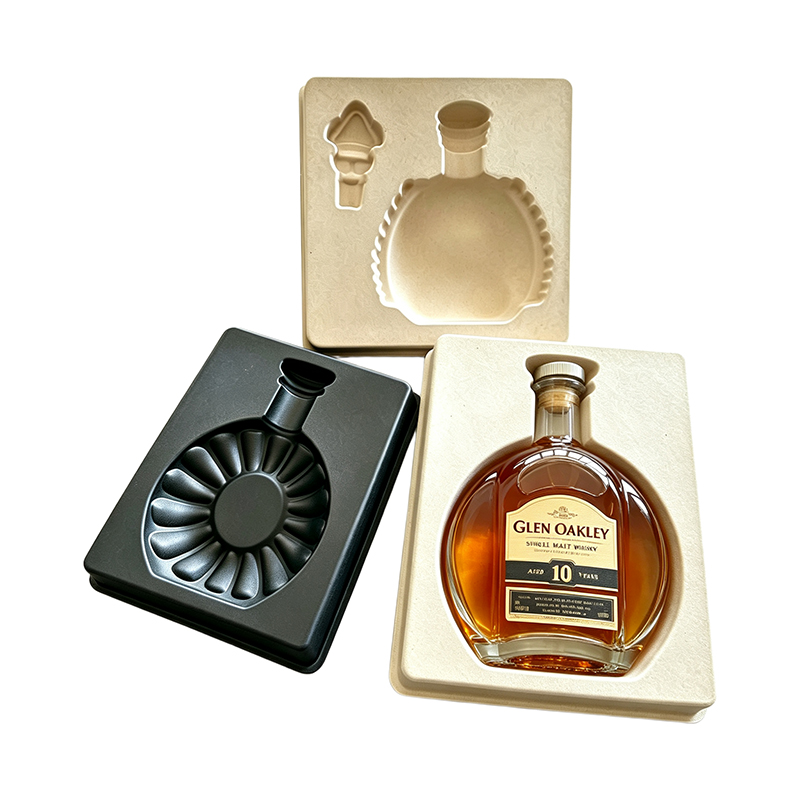
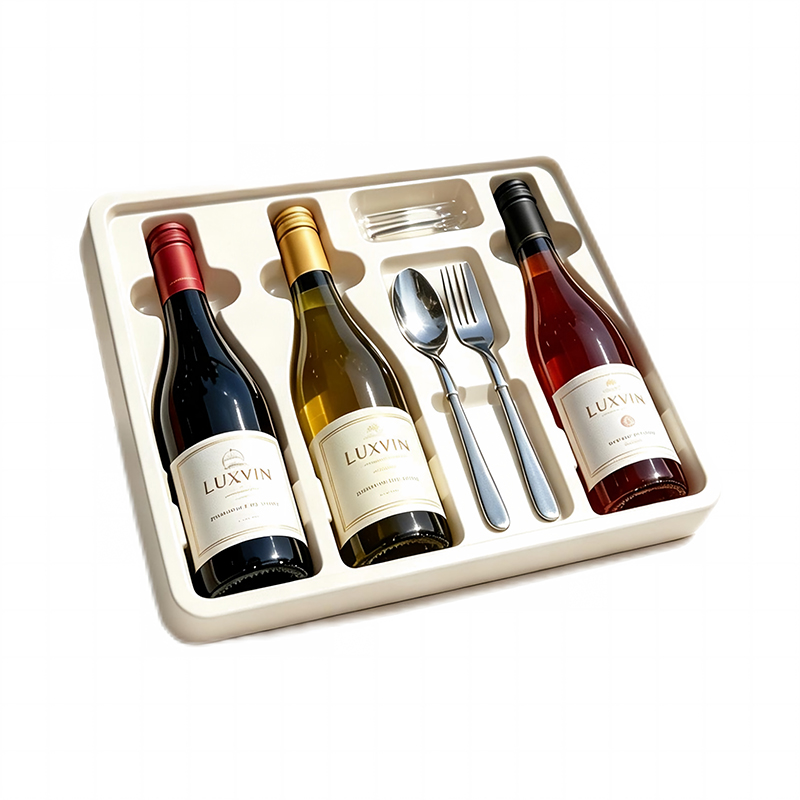
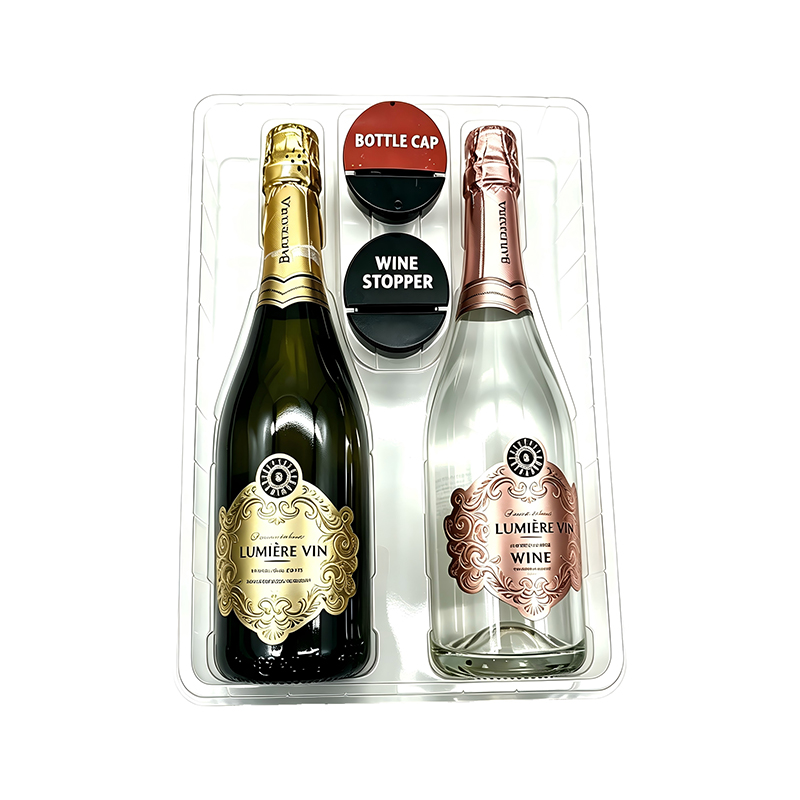
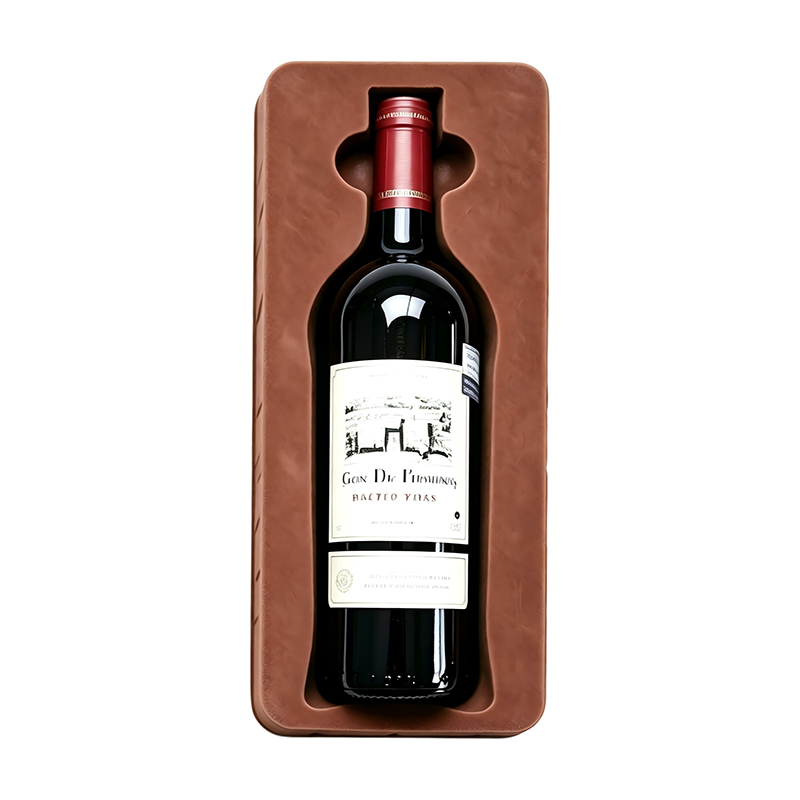
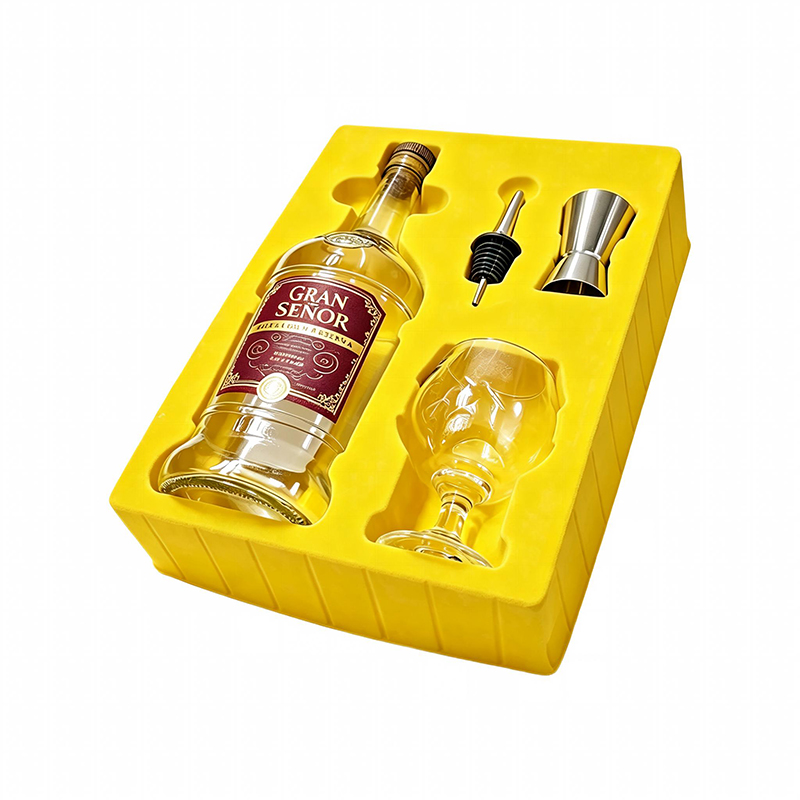
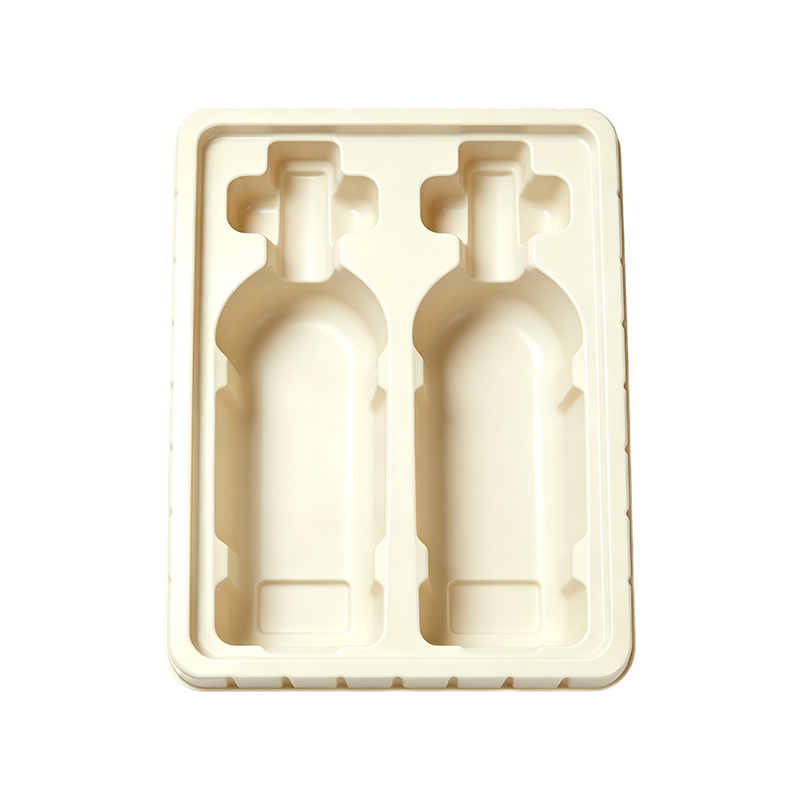
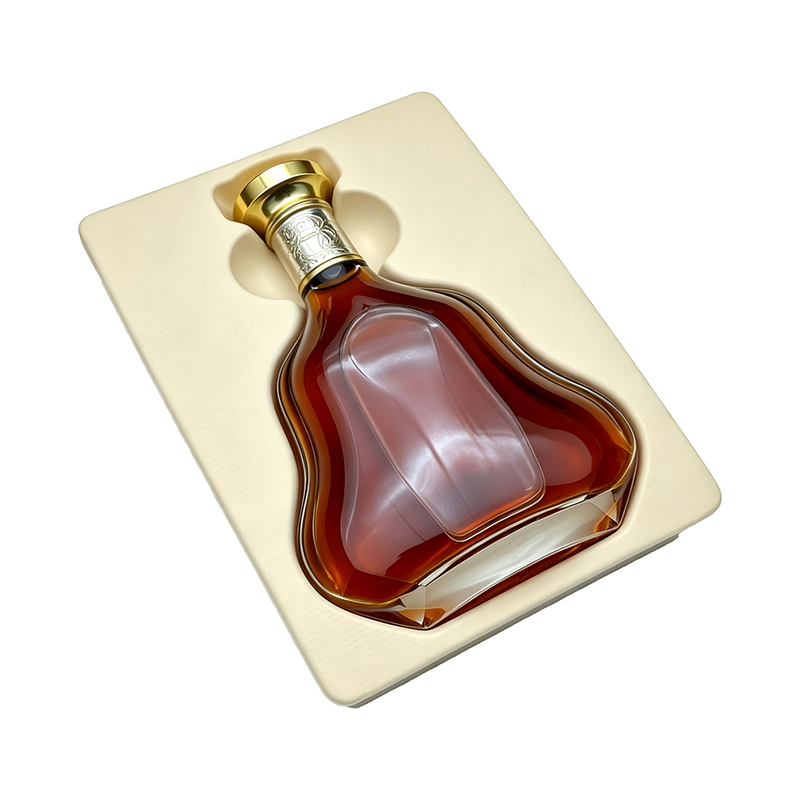
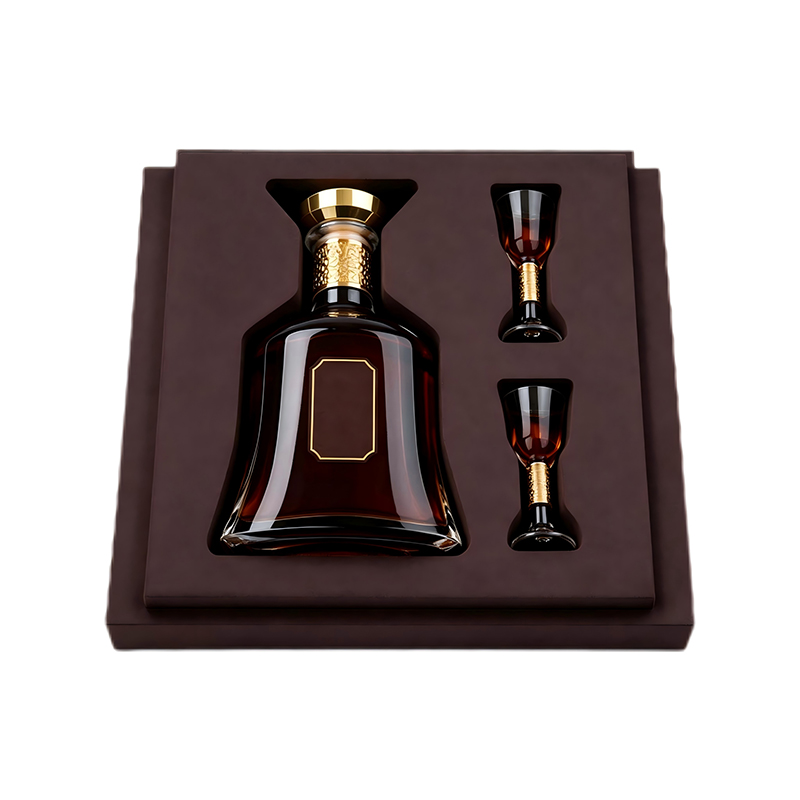
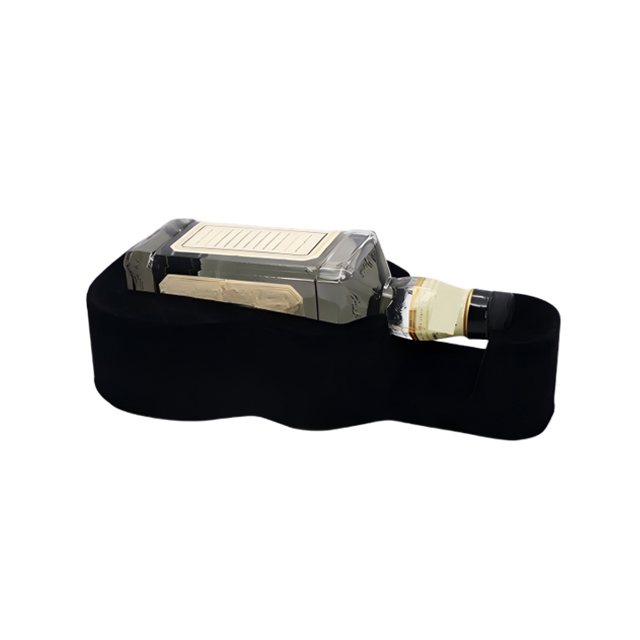
Crafted from premium, crystal-clear PETG through precision vacuum forming, BlissPak Wine Vacuum Trays are engineered to cradle your bottles in safety and style. Whether for premium gifting, retail display, secure shipping, or cellar organization, each tray is custom-molded to fit a wide range of bottle profiles - from Bordeaux and Burgundy to Champagne and rosé - with precision-formed cavities that eliminate clinking, scratching, and breakage. Food-safe, fully recyclable, and available in custom colors, embossed or silk-screened logos, and flexible configurations (1, 2, 3, 6, or 12-bottle layouts), our trays transform ordinary packaging into a memorable premium unboxing experience. Trusted by wineries, distributors, and gift brands worldwide.
BlissPak - Where protection meets presentation.
Wine Vacuum Trays FAQs
Our wine trays are primarily manufactured from PETG (Polyethylene Terephthalate Glycol), which is the industry standard for premium wine and beverage packaging. PETG is crystal-clear, impact-resistant, and fully FDA-compliant for direct food contact, making it safe for bottles that may come into contact with the tray surface during storage or transit. It is also 100% recyclable (resin code #1), supporting your brand's sustainability goals. For clients with specific requirements, we also offer rPET (recycled PET) for an even lower environmental footprint, as well as HIPS for more economical, opaque options, and anti-static PET for high-value collectible bottles. All materials come with full material certificates and lot traceability.
Absolutely—customization is one of our core strengths. We design each tray around your specific bottle dimensions, whether that's standard Bordeaux, Burgundy, Champagne, Alsace, Port, or even oversized/magnum formats. Our engineering team works from your bottle drawings or physical samples to create precision-molded cavities that hold each bottle securely. Beyond shape, we offer:
- Custom colors: Pantone-matched tinted or opaque sheets
- Branding: Silk-screen printing, hot stamping, or embossed/debossed logos directly on the tray surface
- Configurations: 1, 2, 3, 4, 6, or 12-bottle layouts, with optional dividers or insert layers for accessories (corkscrews, stoppers, booklets)
- Surface textures: Glossy, matte, or textured finishes
If you can visualize it, we can likely form it.
Our MOQ depends on the tray size, material, and whether you require a custom mold. For stock or semi-custom designs, we can accommodate orders as low as 500 pieces. For fully custom trays requiring new tooling, the typical MOQ is 1,000–3,000 pieces, though we are flexible for pilot runs and launch quantities. Pricing is structured transparently into three components:
- One-time tooling/mold cost (amortized over your production volume)
- Per-unit piece price (driven by material, sheet thickness, tray size, and cavity count)
- Secondary operations (printing, custom cutting, special packaging)
Volume discounts apply at 5,000+, 10,000+, and 50,000+ units. We provide detailed, itemized quotations within 48 hours of receiving your specifications, and there are never hidden fees
Protection is the entire purpose of a wine tray, and we take it seriously. Every custom design is engineered with deep-formed cavities, reinforced side walls, and precision bottle-neck supports that immobilize each bottle and prevent glass-to-glass contact. Before mass production, we conduct internal performance validation, including:
- Drop tests from standard shipping heights (1 m / 3 ft) onto concrete
- Vibration and compression tests simulating truck and air freight conditions
- Temperature cycling to verify material stability in cold-chain logistics
For high-volume or premium programs, we can arrange third-party ISTA-certified packaging testing upon request. Many of our winery and e-commerce clients use our trays as the sole protective layer inside a corrugated outer box, with breakage rates consistently below 0.5%. We are happy to share case studies and test reports from comparable projects so you can buy with confidence
Protection is the entire purpose of a wine tray, and we take it seriously. Every custom design is engineered with deep-formed cavities, reinforced side walls, and precision bottle-neck supports that immobilize each bottle and prevent glass-to-glass contact. Before mass production, we conduct internal performance validation, including:
- Drop tests from standard shipping heights (1 m / 3 ft) onto concrete
- Vibration and compression tests simulating truck and air freight conditions
- Temperature cycling to verify material stability in cold-chain logistics
For high-volume or premium programs, we can arrange third-party ISTA-certified packaging testing upon request. Many of our winery and e-commerce clients use our trays as the sole protective layer inside a corrugated outer box, with breakage rates consistently below 0.5%. We are happy to share case studies and test reports from comparable projects so you can buy with confidence
You may want to know about Wine Vacuum Trays
Wine Vacuum Trays: A Manufacturer's Technical Overview by BlissPak
As a specialized vacuum forming manufacturer, BlissPak approaches wine tray production not as a commodity packaging exercise, but as a precision engineering challenge. Every tray must satisfy three simultaneous demands: protect fragile glass bottles under real-world logistics, present premium wine with retail-grade aesthetics, and do so at a unit cost that makes economic sense for wineries, distributors, and gift brands. Below is a detailed, manufacturer's-eye view of how our Wine Vacuum Trays are designed, tooled, formed, and qualified.
1. Process Fundamentals
Wine vacuum trays are produced via single-stage thermoforming (vacuum forming). A flat plastic sheet - typically PETG, rPET, or HIPS - is clamped in a frame, heated to its glass-transition temperature (Tg), then drawn over a male (positive) or into a female (negative) mold using vacuum. For wine trays, we predominantly use female molds with plug-assist, which delivers more uniform wall thickness across deep-drawn bottle cavities—a critical factor when cavities can reach 250–320 mm in depth.
Key process parameters we control on every run:
- Sheet temperature: 130–160°C for PETG, monitored by infrared pyrometers across the sheet surface to prevent thin spots
- Vacuum level: ≥ −0.08 MPa, with pre-stretch (plug assist) to distribute material into deep cavity corners
- Cycle time: 25–45 seconds per sheet, depending on cavity depth and material thickness
- Cooling: Controlled mold temperature (15–25°C) with water channels to ensure dimensional stability and minimize post-forming warpage
2. Material Specification and Selection
The choice of material is driven by the tray's end-use environment. BlissPak offers the following standard materials, each with defined performance characteristics:
| Material | Thickness Range | Key Properties | Typical Use Case |
|---|---|---|---|
| PETG | 0.5 – 1.5 mm | Crystal clarity, high impact strength, FDA food-contact compliant, easy to thermoform, recyclable (#1) | Premium gift trays, retail display, direct bottle contact |
| rPET (recycled) | 0.5 – 1.2 mm | Same mechanical profile as virgin PETG, 30–100% post-consumer recycled content | Sustainability-focused brands, ESG-driven programs |
| HIPS | 0.6 – 2.0 mm | Opaque, low cost, good rigidity, easy to print and paint | Economical shipping trays, private-label programs |
| Anti-static PETG | 0.6 – 1.2 mm | Surface resistivity 10⁶–10⁹ Ω/sq, dissipates static | High-value collectible bottles, electronic wine accessories |
| APET | 0.3 – 1.0 mm | Excellent clarity, lower cost than PETG, slightly less impact resistance | Disposable single-bottle inserts, high-volume programs |
For most premium wine tray applications, we recommend 0.8–1.0 mm PETG, which balances clarity, rigidity, and impact resistance while keeping material cost and cycle time optimized.
3. Mold Design and Cavity Engineering
The mold is where a wine tray succeeds or fails. Our tooling department designs every cavity with the following engineering principles:
- Cavity geometry: Each bottle cavity is modeled from the client's actual bottle CAD or a 3D scan of a physical sample, with a 0.3–0.8 mm clearance around the bottle body to allow easy insertion and removal while preventing lateral movement.
- Neck support ring: A precision-formed recess at the top of each cavity cradles the bottle neck/shoulder, immobilizing the bottle and transferring vertical load to the tray structure rather than the glass base. This is the single most important feature for preventing breakage in stacked shipping.
- Draft angles: Minimum 3° draft on all cavity side walls to ensure clean release from the mold without dragging or whitening (stress marks).
- Wall thickness distribution: Target ±15% uniformity across the formed part, verified by ultrasonic thickness measurement. Thin spots below 0.3 mm are rejected.
- Ribbing and stacking lugs: Integral ribs between cavities provide torsional rigidity, while precisely dimensioned stacking lugs ensure trays nest securely without jamming—critical for warehouse storage and returnable programs.
- Mold materials:
- Epoxy resin / 3D-printed molds for prototype and short-run (≤500 pcs)
- Cast aluminum for medium-volume (500–50,000 pcs)
- CNC-machined aluminum with polished cavities for high-volume, high-gloss production (50,000+ pcs)
4. Standard Product Series
While most of our wine trays are custom, we maintain a library of proven standard configurations to reduce tooling cost and lead time for clients:
| Series | Configuration | Cavity Depth | Max Bottle Height | Typical Application |
|---|---|---|---|---|
| BP-WT-1 | 1-bottle | 300 mm | 330 mm | Single-bottle gift boxes |
| BP-WT-2 | 2-bottle (side-by-side) | 300 mm | 330 mm | Premium gift sets, corporate gifting |
| BP-WT-3 | 3-bottle (triangular) | 280 mm | 310 mm | Tasting sets, club shipments |
| BP-WT-6 | 6-bottle (2×3) | 300 mm | 330 mm | Standard half-case, e-commerce |
| BP-WT-12 | 12-bottle (3×4) | 300 mm | 330 mm | Full-case replacement, distributor shipping |
| BP-WT-CH | Champagne / magnum | 330 mm | 350 mm | Oversized bottles, sparkling wine |
All standard series can be customized with color, logo, and cavity modifications without full re-tooling.
5. Quality Control and Testing
Every production lot passes through our QC lab before shipment:
- Dimensional inspection: Critical dimensions (cavity diameter, depth, neck ring position, overall flatness) verified against the approved golden sample, using CMM and calipers. Tolerance: ±0.5 mm general, ±0.3 mm on neck-ring critical features.
- Visual inspection: 100% inspection for bubbles, pinholes, flow marks, whitening, burns, and contamination. AQL 2.5 sampling for cosmetic defects on high-volume runs.
- Functional fit test: Actual bottle insertion/removal test on 5 pieces per production shift, confirming no jamming, no excessive play, and proper neck seating.
- Drop test: 1 m free fall onto concrete (corner, edge, and flat orientations) with filled bottles—zero breakage required for approval.
- Compression test: Static load of 50 kg applied to a stacked tray assembly for 24 hours; permanent deformation must not exceed 2 mm.
- Material certification: Mill test reports (MTR) and FDA/RoHS/REACH compliance documents provided with every shipment.
6. Secondary Operations
Beyond forming, BlissPak offers integrated secondary processing to deliver a ready-to-use tray:
- CNC 5-axis trimming: Precision cutting of perimeter and internal cutouts, with edge quality Ra ≤ 3.2 μm.
- Punching: Clean, burr-free holes for hang tabs, accessory slots, or drainage.
- Surface finishing: Flame treatment for improved print adhesion, polishing for high-gloss edges.
- Decoration: Silk-screen printing (up to 4 colors), hot foil stamping, and pad printing for logos and product information.
- Assembly: Adhesive bonding of multi-layer trays, insertion of foam or fabric liners for ultra-premium presentations.
7. Packaging and Logistics
Trays are nested and packed in corrugated master cartons with interleaving PE film to prevent scuffing during transit. For export orders, we use fumigation-free pallets and can accommodate FOB, CIF, or DDP Incoterms. Typical packaging density: 200–500 trays per carton (depending on configuration), maximizing container utilization and reducing per-unit freight cost.
8. Sustainability
BlissPak is committed to reducing the environmental footprint of wine packaging. Our PETG and rPET trays are 100% recyclable, and we offer a closed-loop scrap recycling program in which production offcuts are reground and reintroduced into the sheet extrusion process, achieving up to 98% material utilization. For clients targeting carbon-neutral packaging, we can provide full lifecycle analysis (LCA) documentation and source rPET with verified post-consumer content.
Summary
A BlissPak wine vacuum tray is the product of controlled thermoforming science, precision mold engineering, rigorous quality testing, and deep material expertise. Whether you need a stock 6-bottle shipper or a fully custom, foil-stamped, multi-cavity premium gift tray, our manufacturing capability is built to deliver consistent, bottle-safe, brand-worthy packaging at scale.
For technical datasheets, material samples, or a custom DFM review, contact our engineering team at BlissPak.